Showing posts with label packing tapes. Show all posts

Sunday, May 1, 2011

Tips on Removing Unwanted Packing Tape From Surfaces


Without a doubt, packing tape is one of the best inventions made by man. Whether at home or for use in business, a packing tape is handy for just about anything—sealing our packages and envelopes, even casserole lids to prevent food from spilling and for entrepreneurs, a unique marketing collateral, thanks to customized packing tapes.

While using a packing tape is definitely a no brainer, removing it from surfaces is another story. Removing packing tape can be quite a challenge, especially if you don’t want any evidence of it. Once you stick it on the surface, the adhesive of the tape seeps into the porous cells of the surface thus making it hard to remove.

Got a sticky packing tape situation? Don’t fret. Here a few handy tips on how to remove unwanted packing tape from surfaces.

1. You can use low heat to “soften” the hold of the packing tape to wherever it is glued on to. Using heat lessens the possible damage on the surface. You can use your blow dryer but make sure it is set on low. The key here is to warm and peel the adhesive gently and simultaneously. You can either use a putty knife or a flat-edged scraper to scrape off the tape.

2. For packing tape stuck on wood, first try to peel off as much as you can. Soak a paper towel in white vinegar and put it on top of the packing tape. Let it sit for five minutes. Afterwards, remove the paper towel and start rubbing the surface. The remainder of the tape should be peeling away by now. Use the same paper towel to rub the wood’s surface if there is still any residue. Get another paper towel and slightly moisten it with water, this time to remove the vinegar residue.

3. If your heavy duty packing tape has left an unsightly residue on a glass or ceramic surface, using a little bit of alcohol or nail polish remover will help clean out what’s left of it. Afterwards, do not forget to wipe the same surface area with a paper towel or cotton ball soaked in a little bit of water.

Thursday, April 7, 2011

Why A Packing Tape Is More Than Just For Packaging


As an entrepreneur, you know that a packing tape is mainly used for packaging products and supplies. But are you fully maximizing its properties? Do you know that you can also use packing tape as a marketing, advertising and security tool? You can do this by having your business’ name and logo custom printed on packing tapes that you will use to seal your products. This investment is useful in many ways. For starters, you can promote your brand every time you send out a package or a sealed product to a customer. This type of advertising is subtle and effective because your customers and even potential clients will be constantly reminded of the products and services that you offer. If you are willing to shell out a little bit more from your budget for custom printed packing tapes, you can even use packing tapes to promote new and upcoming products and add your contact information for maximum exposure and increased sales opportunities.


Additionally, it gives your business the image of an established and professional company. This can help you boost customer trust and confidence. Investing in customized packing tapes is also a way to improve your brand’s identity. It is an effective and creative way to set you apart and help you stand out in a crowded sea of other entrepreneurs.

In terms of security, you can use customized packing tapes to ensure that your products will be properly handled in transit. A specially labeled packing tape will also help your customers ensure that their package is secured.

Custom packing tapes can be used by a wide variety of businesses, not just those in direct selling and distribution. You can also use these specially printed packing tapes for smaller packages such as letter envelopes. Instead of ribbons, you can also use customized packing tapes to brand and decorate corporate giveaways.

Contact your packing tape supplier now and don’t forget to ask about printed packing tapes.


Wednesday, February 16, 2011

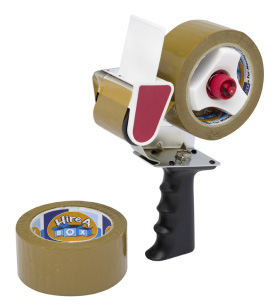
Loading a Packing Tape Dispenser


Packing tapes are essential in packaging and storing items. With packing tape, heavy boxes can be securely held together, and they can protect packages better than regular tape can. With a packing tape dispenser, not only can packing prove to be a seamless activity but it will help you accomplish things faster and more efficiently. Make sure you have rolls of packing tape on hand so refilling the packing tape dispenser is done quickly. In a few minutes, you can easily reload the packing tape dispenser. Here’s how:

1. Over the dispenser reel, place the roll of packing tape in such a way that it will unwind in a counter-clockwise manner.

2. Hold the front tab of the packing tape roll, pulling it at a downward angle through the slot between the dispenser roller and shield. There are also tape dispensers that have a shield to which you can pull down the tape and slide it through. Remember that the sticky side of the packing tape should always face downwards.

3. In an upward motion, simply pull the front tab of the tape so that the dispenser blade can cut through the packing tape. The blades of packing tape dispensers are sharp enough to cut through your skin so be careful in handling such packaging tools to avoid cuts and bruises.

4. To be sure that the packing tape dispenser functions perfectly, test it by unrolling just a small amount of tape and cutting it with the dispenser’s blade.

5. If the packing tape dispenser is not tight enough, adjust it by tightening the tension adjuster and set the unwinding feature at a comfortable and smooth level.

When handling such tools, always be careful and make sure that you are comfortable handling the packing tape dispenser, or any other packaging tool for that matter. BestPack.com is an online manufacturer of packaging equipment, such as carton sealers, and also offers nationally-acclaimed packing tapes ideal for the packaging industry.